


BI METAL FLANGES
A flange allows two pipes to be mechanically connected together, or a pipe to be mechanically connected to a valve, tee, choke or other piece of equipment. The principle of a flange is to use a mechanical force (exerted by the bolts) to pre-load the gasket sufficiently so that when internal pressure (end cap force) is applied, there is enough contact stress between the flanges and gasket to maintain a seal.
The flange itself needs to be connected to the pipe. This is usually achieved by welding, though threaded and other weldless connections also exist.
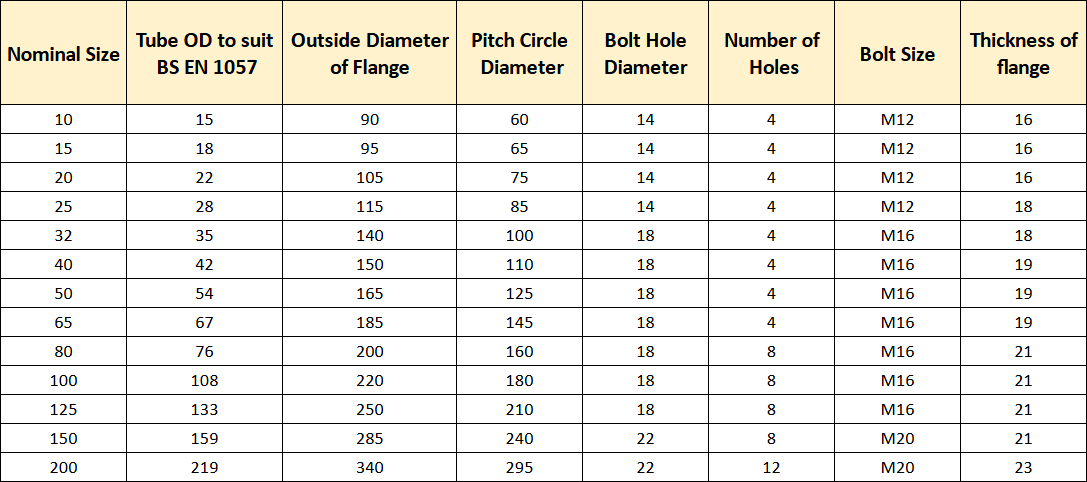
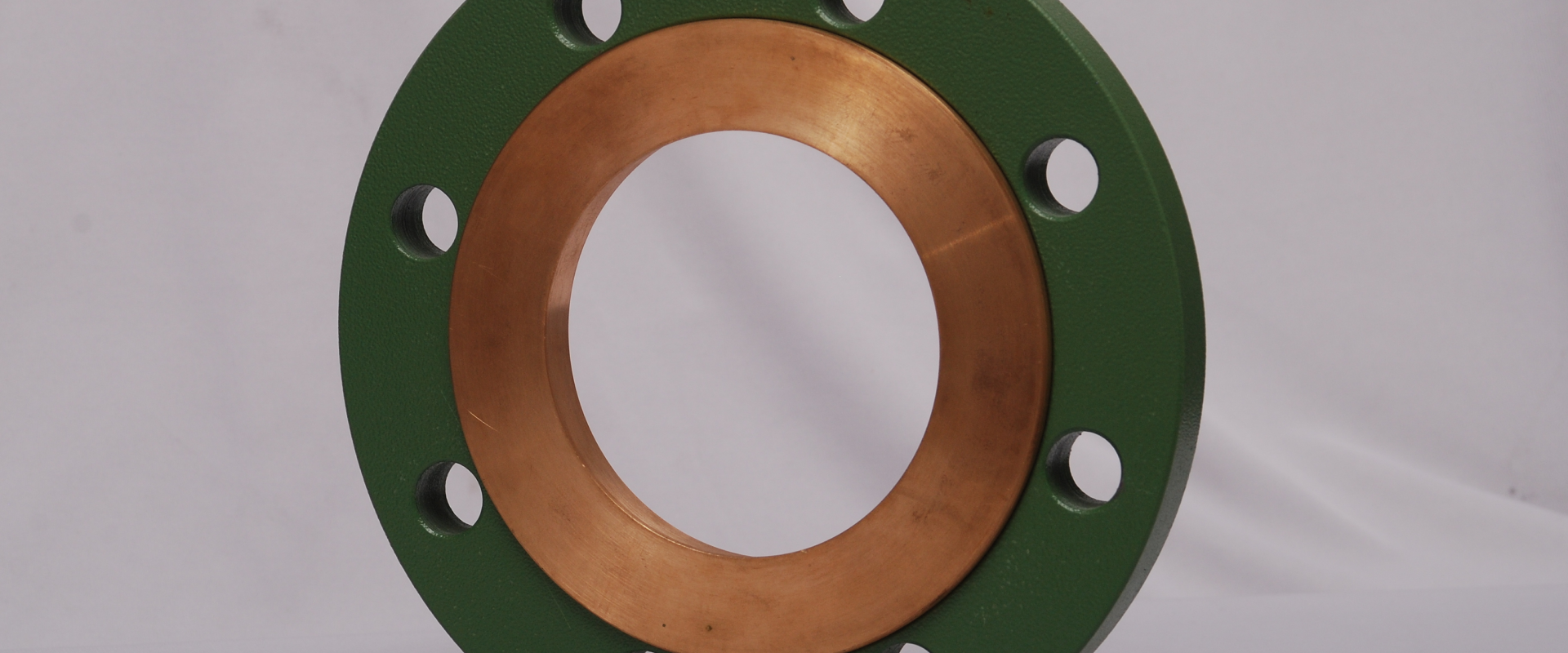
Our composite and solid copper alloy flanges are used in water, gas & sanitary applications for connecting copper tubes made to BS EN 1057. The flanges consists of either bronze (gun metal) collar connecting to the copper tube, which is set in a recessed backing ferrous flange with bolt holes or a solid bronze flange connecting to copper tubes with bolt holes.


QUALITY ASSURANCE
Every flange from the our warehouse is put through a rigorous process of tests from chemical testing to visual inspection and measuring the accuracy levels as per international standards, all procedures are undertaken at our state of the art facility.
PACKING
We understand the importance of packing for maintaining the quality of product during transportation. Therefore, to ensure the quality of product, we only use superior quality of packaging materials, so that the products reach their destinations intact without any damage during loading and unloading process.

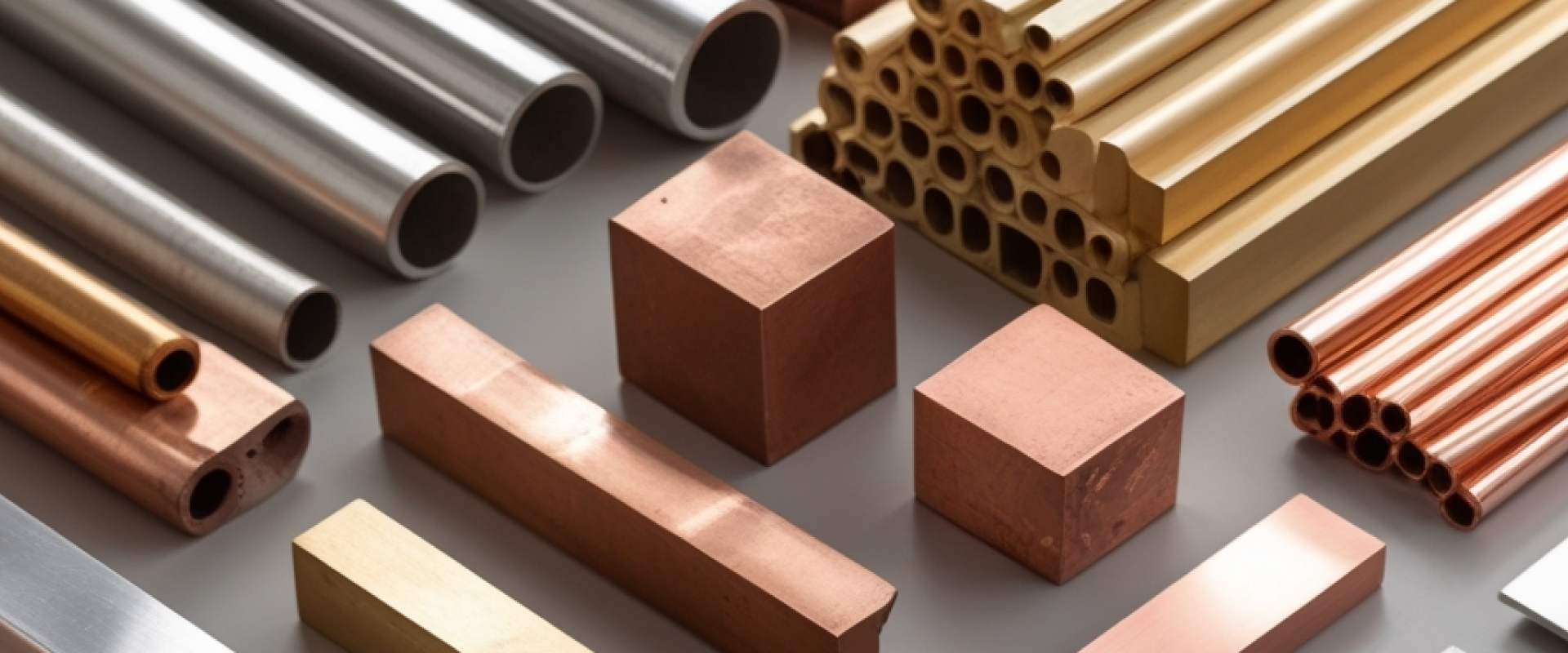
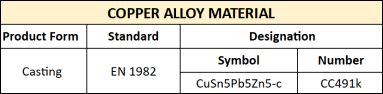
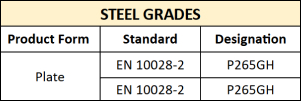
Flange Materials
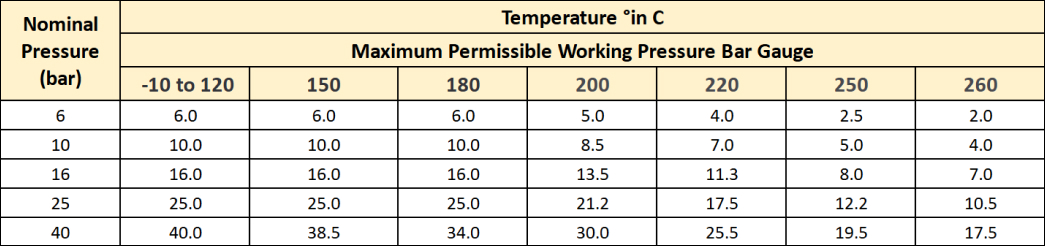
Pressure & Temperature Rating
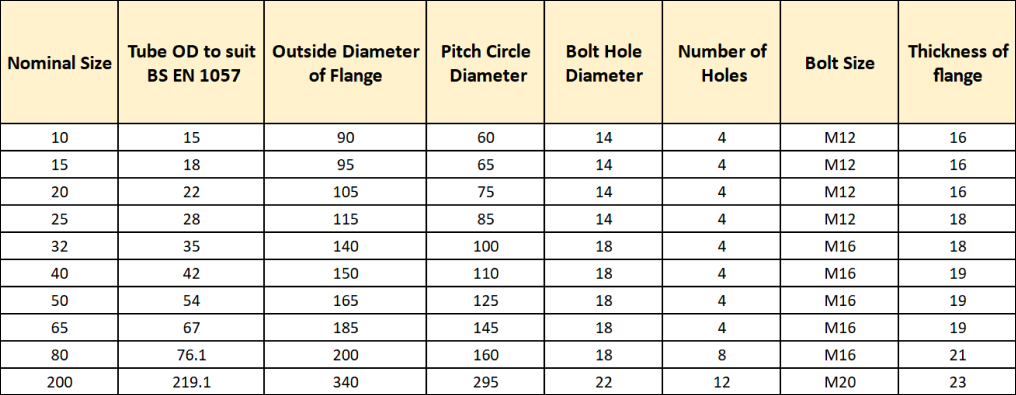
Bi-Metalic Flanges as per BS EN 1092-3:2003 Type 07,37

Bi-Metalic Flanges as per BS EN 1092-3:2003 Type 07,37
Bi-Metalic Flanges as per BS EN 1092-3:2003 Type 05C
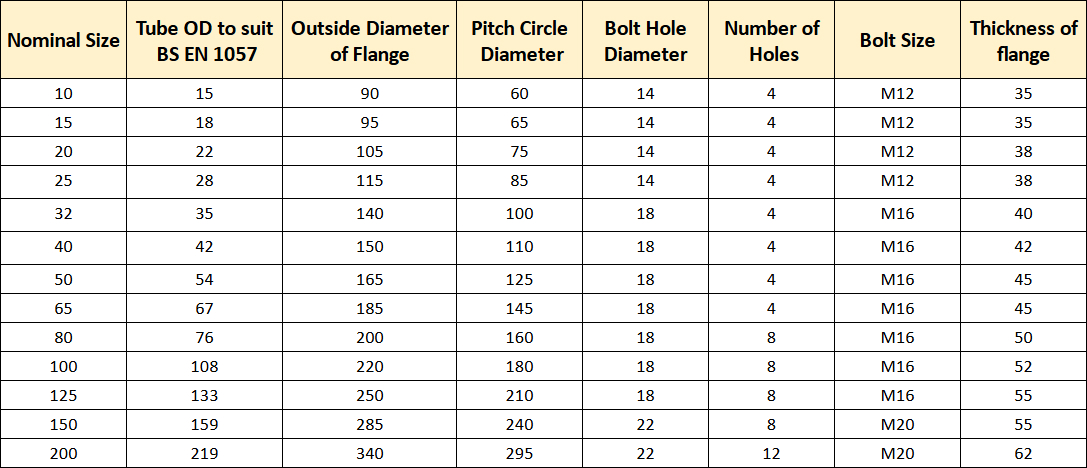
Gun Metal Flanges as per BS EN 1092-3:2003 Type 11